Noise-Cancelling Headphone Review
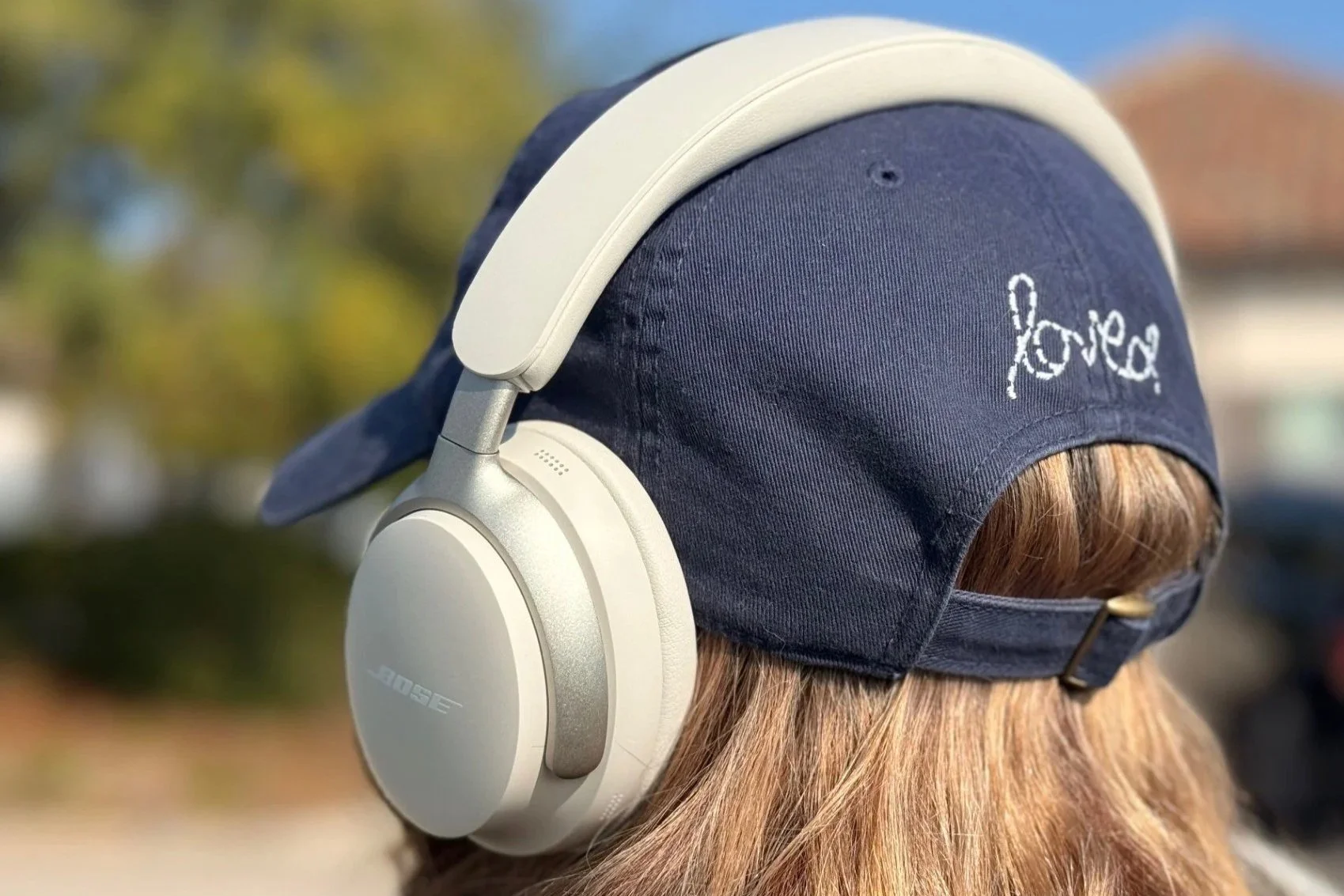
DETAILS
When — 2022-2026
What — Headphones
Brand — Bose
Rating — Meet
Bose QuietComfort vs. AirPods Max
This was a $400 lesson learned the hard way. To be clear, noise-cancelling headphones are definitely a must if you are a frequent flyer. They don’t just reduce sound—they reduce my likelihood of being unpleasant. My mistake was not reading the fine print.
What I Expected (the promise)
I can’t afford to make pricey mistakes, so when I first bought noise-cancelling headphones, I researched them like a second job. I didn’t just look for “best overall.” I looked for what was “best for me.”
Music isn’t my job, so I’m lost on the high-fidelity sound promises. It is my job to fly to a lot of places internationally and contribute in meetings upon arrival. After 20 years of business travel, I know that ambient noise wears me down. Some people can tune it out. I cannot. I need quiet.
My Bose over-ear headphones served me well for 10 years, which speaks volumes (pun intended) in a day and time where electronics barely make it through the warranty period. They worked right up until the end, but the earpad part started to flake, and tech had evolved so it wasn’t worth replacing just the pads.
I saw a lot of recommendations for Sony and Bang & Olufsen, but didn’t know anyone personally who had used them, and the Bang & Olufsen were out of my budget. I decided to play it “safe” with Apple AirPods Max.
Apple’s promise is basically: high-fidelity audio, pro-level active noise cancellation, spatial audio magic, effortless setup, and a premium experience. Notably missing from this promise: comfort.
Bose’s promise, on the other hand, is refreshingly direct: legendary noise cancellation, high-fidelity audio, and a classic, comfortable design.
My Experience (real life)
I regretted the AirPods Max on my first long flight. They didn’t fit me well, and after a few hours, my jaw/ear area was sore, and the noise cancellation was just okay. And then there is the case. It’s like the cheap case they give you when you buy drugstore reading glasses. At $400, I wanted actual protection for my headphones, not a plastic sleeve.
After two years, I admitted defeat and went back to Bose QuietComfort.
The difference was immediate: comfort, a real travel case, and the practical stuff that matters, like an audio cable to plug into the back-of-seat entertainment center.
Implied Expectations (what I was led to believe)
Here is what I assumed—because of price and branding:
At this price point, I expected comfort. Noise cancellation is only part of the job. I have to be able to wear the headphones for more than two hours.
Travel headphones should include a travel case and an audio plug, not a suggestion that I buy yet another electronic to connect the seatback player to my super expensive headphones.
The Apple brand promises innovation and simplicity. In my case, that wasn’t enough. Bose promised comfort and quiet—and they delivered.
Bottom Line (who needs these)
If you mostly wear headphones for short stints—calls, workouts, errands—AirPods Pro (these are the small in-ear headphones) are fine; you probably don’t need the over-the-ear version. If you travel a lot, I recommend over-ear headphones and buying Bose, which promise comfort and travel functionality—a little more specific than Apple’s promise of “magic.”
Bose QuietComfort: MEET
Apple AirPods Max: MISS